Scalp Biology: The Foundation of Healthy Hair Growth Essay
Hair care advice tends to focus on the hairs themselves: what oils to apply, how frequently to wash, which shampoos to use. However, the health of the hair usually does not begin on the strands but rather underneath them - the scalp. Understanding scalp biology can help understand why so many people struggle with their hair and how to address these issues on a fundamental level.
The Hair Growth Cycle
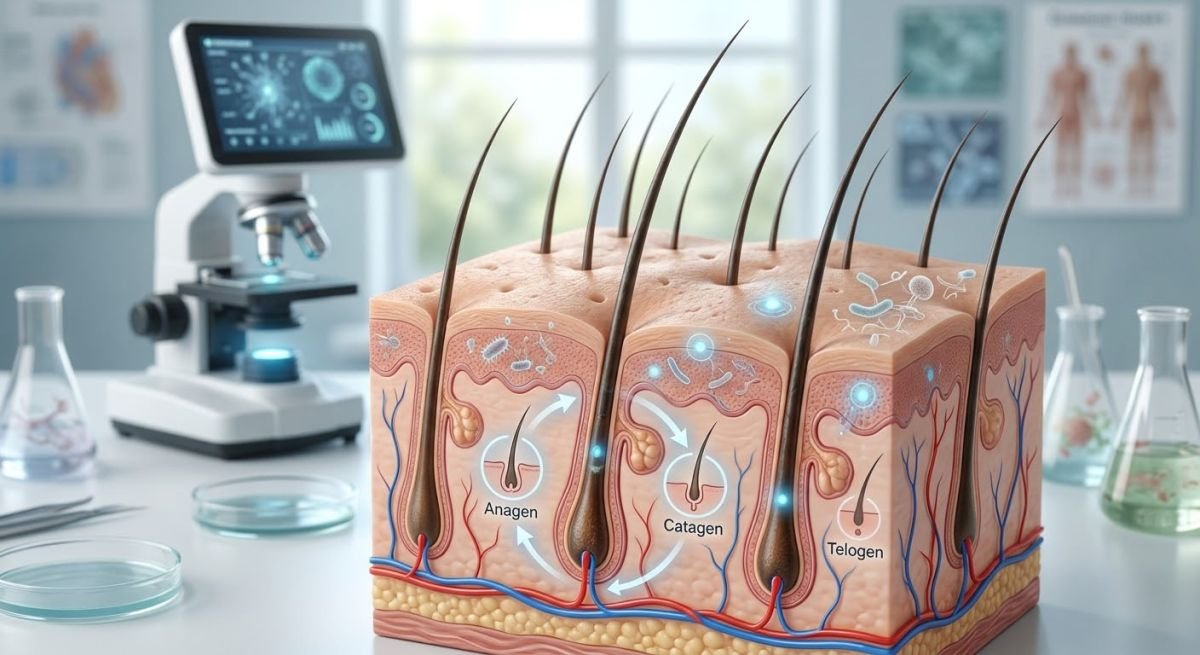
Hair grows in a cyclical manner that consists of different phases. First, growing hairs enter the anagen phase, which can last several years. Subsequently, they transition into the catagen phase, during which the follicles that supply the hair with nutrients shorten. After that, the strands enter the telogen phase and shed, after which the follicles begin to grow a new hair, and the cycle repeats. The whole process takes place due to the scalp’s biology, which regulates the cycles’ timing and the follicles’ activity.
The Scalp Microbiome
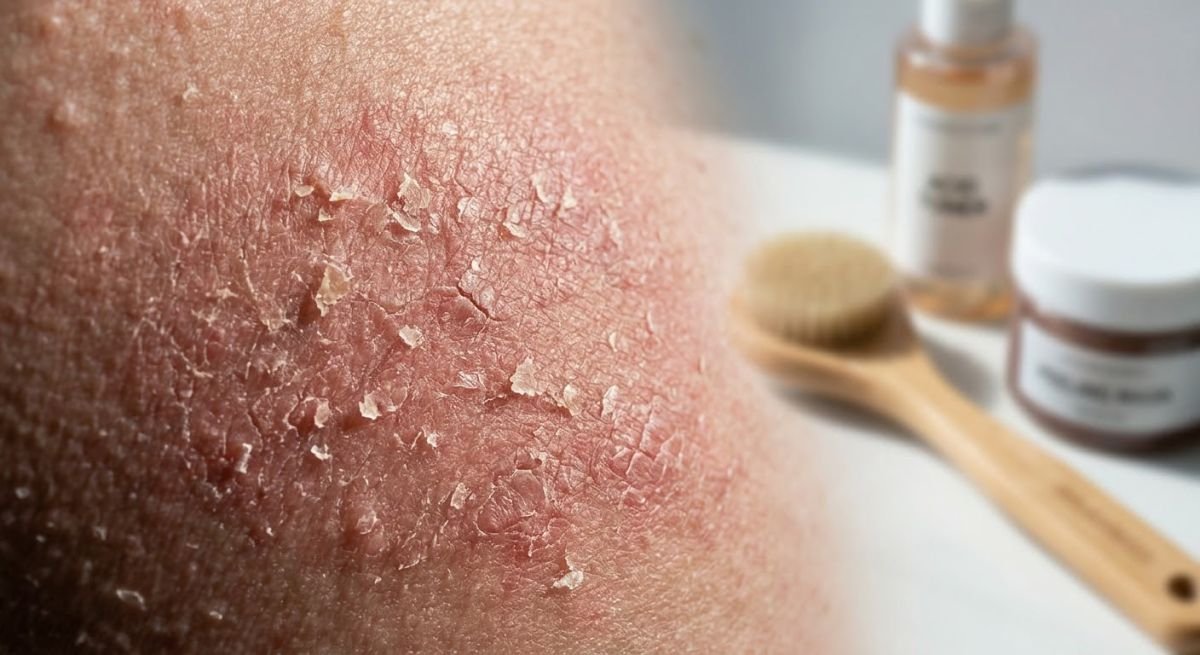
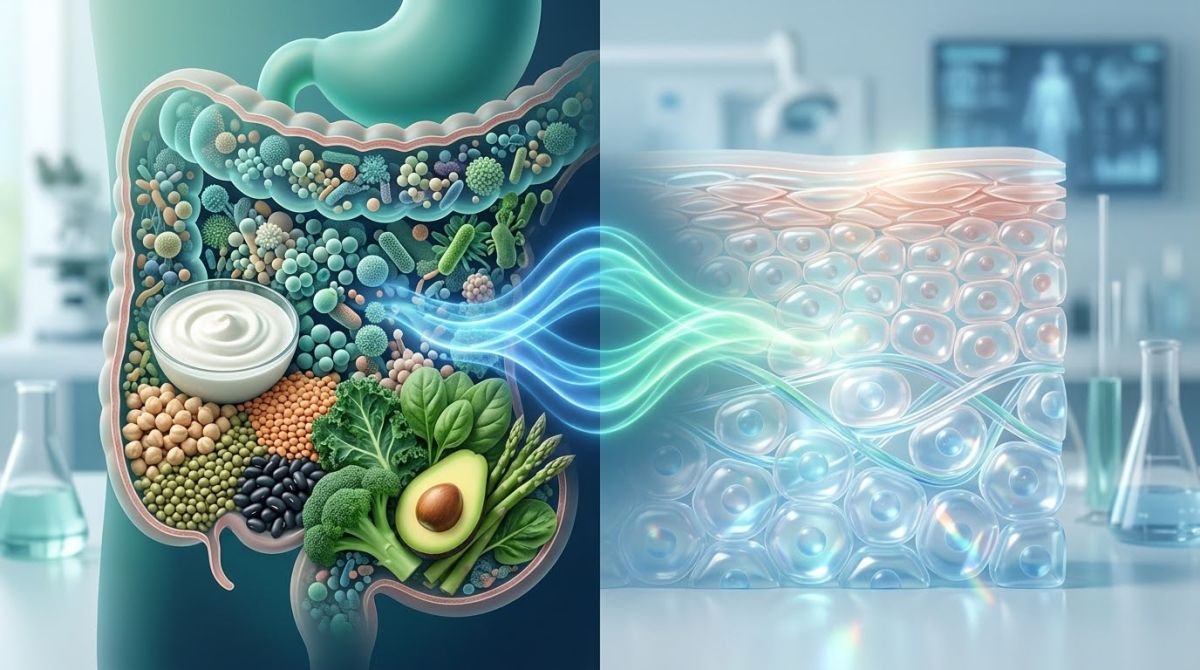
Like every other part of the body, the scalp has its ecosystem of microorganisms that play an integral role in its proper functioning. The disruption of the scalp’s microbiome can lead to dysbiosis, which frequently causes various inflammations and skin conditions in the area. The most common ones, such as dandruff or seborrheic dermatitis, have been particularly prevalent in Pakistan due to the country’s warm and humid climate.
Inflammation
Researchers have recently realized that chronic inflammations that frequently appear on the scalp can severely impede hair growth. The primary reason for this is that blood vessels constrict to control the inflammatory regions’ temperature, thus reducing the amount of blood that can reach the follicles. Moreover, chronic inflammations can permanently damage the follicles and surrounding tissues and the stem cells within them, negatively affecting the hair’s growth capabilities.
Circulation
Good blood circulation is essential for delivering nutrients to the hair roots and ensuring their healthy growth. Therefore, a good number of recommendations regarding the scalp care are centered around ensuring good blood flow to it. One example of such care is massaging the scalp regularly. On the other hand, one should not neglect health outside of the scalp, such as the proper nutrition, since it also affects the growth of one’s hair. For example, diets that are lacking in iron or protein can lead to thinning.
Overview
A good number of hair care recommendations are usually directed towards the scalp and its state, as it plays a crucial role in the growth and appearance of one’s hair. First of all, understanding the scalp biology helps realize the importance of maintaining its good condition for hair growth. The scalp plays an essential role in regulating the hair growth cycle, the state of one’s hair follicles, and the conditions of the hair strands. Therefore, one should ensure that their scalp is cared for adequately and is not prone to chronic inflammations. A good starting point is to keep it clean and avoid using too many different products in favor of a good and regular routine. On the other hand, one should not neglect the importance of a healthy diet and a good lifestyle.
If the problems with one’s hair persist despite these scalp care recommendations, it might be a good idea to consult with a professional dermatologist instead of attempting to find a solution independently.