Scalp Health and Hair Growth: The Complete Guide to Healthy Scalp Care
When people think about hair care, they often focus on the hair strands themselves. They ask which shampoo to use, how often they should wash their hair, whether hair oil is useful, or which products can make their hair look thicker and healthier.
But healthy hair starts much closer to the roots.
The scalp contains the hair follicles from which hair grows, making scalp health an important part of overall hair care. The condition of the scalp can affect the environment in which hair follicles function.
Understanding scalp biology, hair growth, the scalp microbiome, dandruff, inflammation, nutrition and everyday scalp care can help explain why some people experience hair shedding, thinning, dandruff or other scalp problems.
A healthy scalp does not guarantee that someone will never experience hair loss. Hair growth is also influenced by genetics, hormones, age, nutrition, illness, medications and other factors. However, taking care of the scalp is still an important part of a healthy hair-care routine.
What Is Scalp Health?
Scalp health refers to keeping the skin of the scalp in a healthy condition while supporting the normal function of the hair follicles.
The scalp is skin, so it can experience many of the same problems that affect skin elsewhere on the body, including dryness, irritation, inflammation and certain infections.
A healthy scalp should not be constantly itchy, painful, severely irritated or covered with persistent scaling.
If you are experiencing ongoing scalp problems or unusual hair loss, identifying the underlying cause is more important than simply adding another hair product to your routine.
For general skin-care basics, you can also read our Complete Guide to Skin Health: Skincare Routine & Tips.
Understanding the Hair Growth Cycle
Hair does not grow continuously at the same speed.
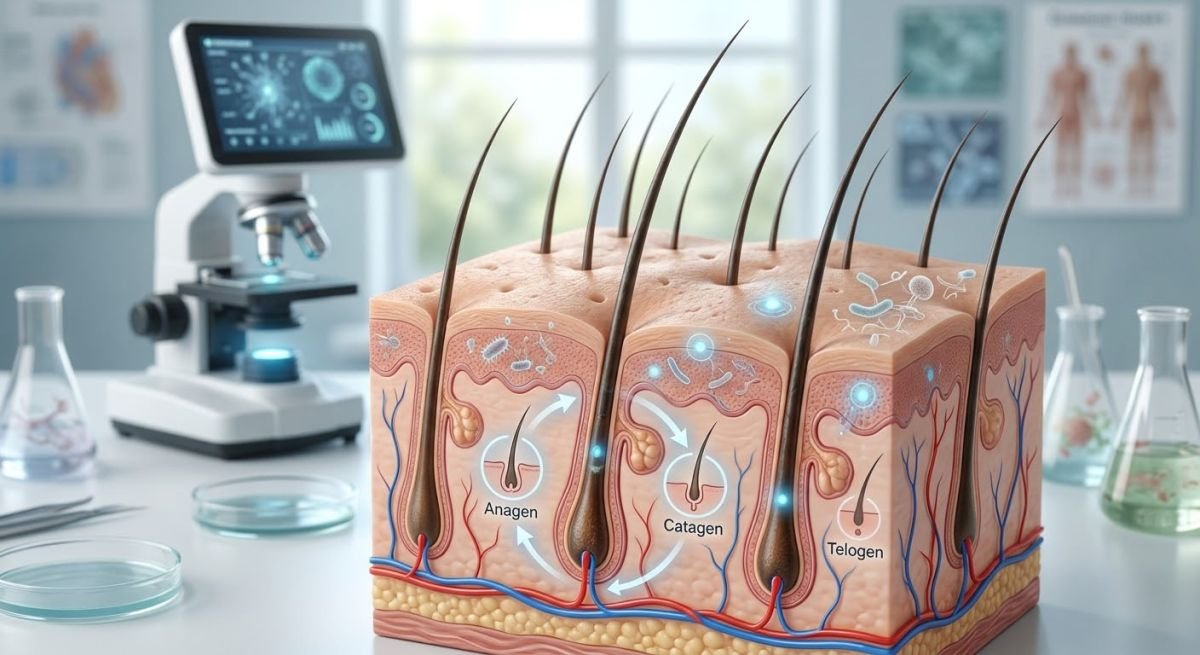
Every hair follicle goes through a natural hair growth cycle consisting of different phases. Understanding this cycle can help explain why some hair shedding is normal and why hair growth takes time.
Anagen Phase: Active Hair Growth
The anagen phase is the active growth stage of the hair cycle.
During this phase, cells within the hair follicle divide and contribute to the production of the hair shaft.
The length of the anagen phase varies between individuals and also differs depending on where the hair follicle is located.
Catagen Phase: Transition
The catagen phase is a relatively short transitional stage.
During this period, active hair growth slows and the follicle changes as it prepares for the next stage.
Telogen Phase: Resting
The telogen phase is the resting stage of the hair cycle.
After this stage, an old hair may eventually shed and the follicle can begin another growth cycle.
Because individual hair follicles are at different stages at different times, some daily hair shedding is normal.
Seeing a few hairs on your pillow, comb or shower floor does not automatically mean that you have a hair-loss disorder.
Why Does Hair Shedding Happen?
Hair shedding can occur as part of the normal hair growth cycle.
However, noticeable changes in hair shedding can sometimes occur after illness, physical stress, emotional stress, nutritional problems, hormonal changes, certain medications or other health conditions.
This is why normal hair shedding and persistent hair loss should not always be treated as the same problem.
If you suddenly notice significantly more hair falling out than usual, visible thinning, bald patches or major changes in your scalp, it is better to seek professional medical advice rather than assuming that a shampoo or hair oil will solve the problem.
The Scalp Microbiome
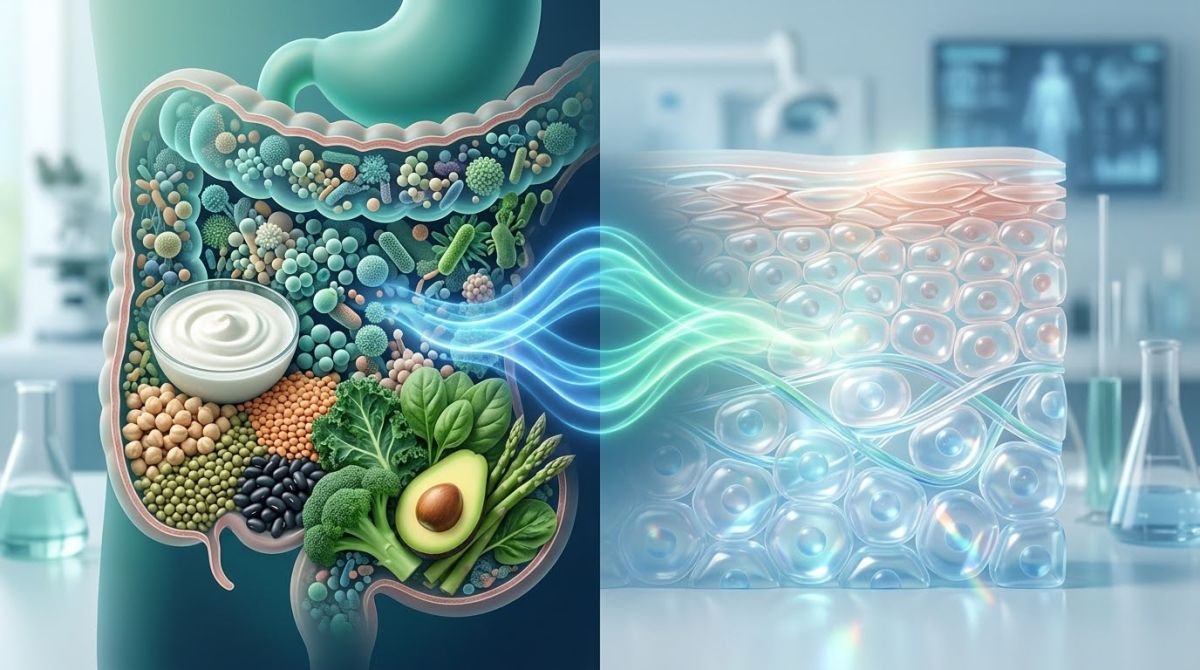
The scalp has its own community of microorganisms, commonly known as the scalp microbiome.
These microorganisms interact with the skin and with one another.
Changes in the scalp environment can be associated with conditions such as dandruff and seborrheic dermatitis.
However, the relationship between the scalp microbiome and scalp health is complex.
Dandruff and scalp inflammation cannot simply be explained by one microorganism. Factors such as sebum production, skin-barrier function, immune responses and individual susceptibility can also play a role.
This is one reason why the same hair-care product may work differently for different people.
Dandruff and Scalp Health
Dandruff is one of the most common scalp concerns.
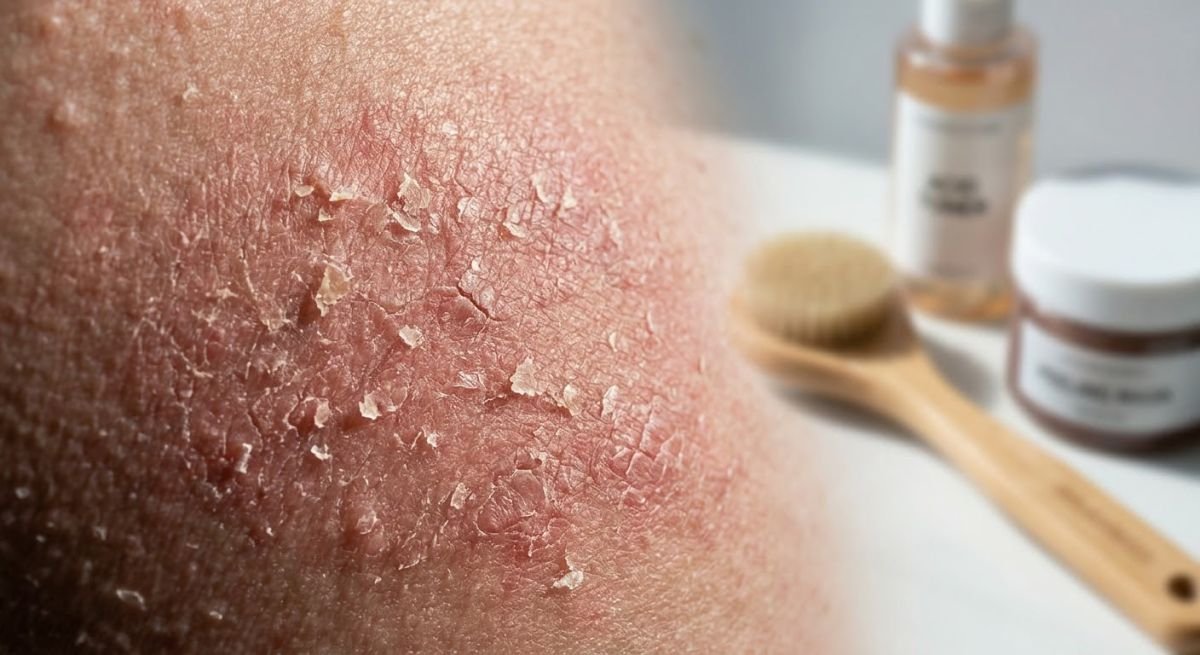
It can cause visible flakes and may be accompanied by itching or irritation.
Dandruff is often associated with seborrheic dermatitis, although the two terms are not always interchangeable.
Environmental conditions, scalp oiliness and individual susceptibility can influence symptoms.
If you experience mild dandruff, an appropriate anti-dandruff shampoo may help.
However, persistent dandruff, severe itching, significant redness, painful areas or hair loss may require professional evaluation.
Can Scalp Inflammation Affect Hair Growth?
Inflammation is a normal part of the body's response to injury or irritation. However, some inflammatory scalp conditions can affect hair follicles and contribute to hair loss.
The effect depends on the underlying condition.
For example, an occasional mild scalp irritation is not the same as a persistent inflammatory disorder that can damage the hair follicle.
This is why persistent scalp inflammation should not simply be treated with random hair products.
If your scalp remains red, painful, swollen, intensely itchy or develops sores, consider consulting a dermatologist.
You can also learn more about inflammation in our article Understanding Chronic Inflammation: Causes, Effects & Prevention.
Hair Follicles: Where Hair Growth Begins
A hair follicle is a small structure in the skin from which a hair grows.
The follicle contains specialized cells involved in producing the hair shaft.
Because the follicle is living tissue, hair growth depends on biological processes occurring beneath the visible hair strand.
This is why applying products only to the hair shaft cannot address every possible cause of hair loss.
Hair-shaft damage and follicle-related hair loss are different problems and may require different approaches.
Does Scalp Massage Increase Hair Growth?
Scalp massage is frequently promoted online as a way to increase blood flow and make hair grow faster.
Gentle scalp massage can feel relaxing, but it should not be presented as a guaranteed treatment for hair loss.
If someone has significant hair thinning or persistent hair loss, relying only on scalp massage could delay proper diagnosis and treatment.
Gentle massage can be included in a personal scalp care routine, but persistent hair loss should be evaluated according to its possible cause.
Nutrition and Hair Growth
Hair growth is also influenced by nutrition.
The body requires adequate nutrients for normal biological processes, including the production and maintenance of hair.
Severe nutritional deficiencies can contribute to hair problems.
This does not mean that eating one particular food will suddenly make hair grow faster. A balanced diet is more important than focusing on a single so-called "hair growth food."
Protein and Hair Health
Hair is primarily made from a protein called keratin.
Adequate dietary protein therefore plays an important role in normal hair production.
People with highly restrictive diets or inadequate nutritional intake may be at greater risk of nutritional deficiencies.
If you believe your diet may be contributing to hair thinning or shedding, discuss the issue with a qualified healthcare professional.
Iron and Hair Loss
Iron deficiency can be associated with hair loss in some people.
However, taking iron supplements without confirming a deficiency is not recommended.
Too much iron can also be harmful.
If you are experiencing unexplained hair shedding or thinning, a healthcare professional can determine whether testing for nutritional deficiencies is appropriate.
A Balanced Diet Supports Healthy Hair
There is no single food that can guarantee rapid hair growth.
Instead, focus on an overall balanced diet containing a variety of nutrient-rich foods and adequate protein.
Depending on individual dietary needs, a balanced diet may include:
Eggs and other protein sources
Fish
Meat or suitable plant-based protein
Beans and lentils
Vegetables
Fruits
Whole grains
Nuts and seeds
Other nutrient-rich foods
If you suspect a nutritional deficiency, seek professional advice before starting supplements.
How to Build a Simple Scalp Care Routine
You do not need a complicated routine to maintain a healthy scalp.
A basic scalp care routine can focus on keeping the scalp appropriately clean and avoiding unnecessary irritation.
1. Wash Your Scalp Regularly
The ideal hair-washing frequency depends on your scalp, hair type, lifestyle and product use.
Someone with an oily scalp may need to wash more frequently, while someone with a dry or sensitive scalp may prefer less frequent washing.
The goal is to remove excess oil, sweat, dead skin and product buildup without unnecessarily irritating the scalp.
2. Choose Hair Products Carefully
A product that works well for one person may not work well for another.
If a shampoo, oil, styling product or treatment repeatedly causes burning, itching or redness, stop using it and consider seeking professional advice.
3. Avoid Excessive Scratching
Scratching an itchy scalp may provide temporary relief, but repeated scratching can irritate and damage the skin.
If your scalp is constantly itchy, it is better to investigate the cause rather than repeatedly scratching the area.
4. Limit Excessive Heat and Chemical Damage
Frequent use of high heat, aggressive chemical treatments and very tight hairstyles can damage the hair shaft.
Some hairstyles that repeatedly pull tightly on the hair can also contribute to traction-related hair loss.
Protecting your hair from unnecessary mechanical and chemical stress is therefore part of good hair care.
Hair Care in Pakistan: Does Weather Affect the Scalp?
Environmental conditions can influence how your scalp and hair feel.
In Pakistan, hot weather, humidity, sweating, dust and pollution can make the scalp feel oily or uncomfortable for some people, particularly during warmer months.
However, not everyone in Pakistan has the same scalp type.
Your hair care routine in Pakistan should therefore be based on your individual scalp and hair needs.
If your scalp becomes oily quickly, regular cleansing may be helpful.
If your scalp becomes dry or irritated, excessive washing or harsh products may make the problem worse.
Common Scalp Care Mistakes
Some popular hair-care habits can create unnecessary problems.
Using Too Many Hair Products
Using several oils, shampoos, serums and treatments does not automatically produce healthier hair.
A simpler routine can make it easier to understand what works for your scalp.
Scratching the Scalp
Repeated scratching can irritate the scalp and may worsen some scalp conditions.
Ignoring Persistent Dandruff
Occasional mild flakes may be manageable, but persistent dandruff, severe itching or inflammation should not simply be ignored.
Taking Hair Supplements Without a Reason
Hair supplements are widely marketed online.
However, taking large amounts of vitamins or minerals without a demonstrated need is not necessarily beneficial and can sometimes be harmful.
Believing Every Hair-Growth Claim Online
Claims that a particular oil, food or homemade treatment can guarantee rapid hair growth should be treated cautiously.
Hair growth is biologically complex, and the underlying cause of hair loss matters when choosing treatment.
Hair Oil and Scalp Health
Hair oils are commonly used in South Asian hair-care routines.
They may make hair feel softer and reduce the feeling of dryness for some people, but hair oil is not a universal treatment for hair loss.
If you have dandruff, an oily scalp or seborrheic dermatitis, adding more oil may not be appropriate for everyone.
The right approach depends on the condition of your scalp and the cause of your symptoms.
When Should You See a Dermatologist?
Consider consulting a dermatologist if you experience:
Sudden or significant hair loss
Rapid hair thinning
Bald patches
Persistent scalp redness
Severe itching
Painful scalp lesions
Persistent dandruff that does not improve
Scaling or crusting
Hair loss associated with other symptoms
Hair loss that continues despite basic hair care
A dermatologist can examine the scalp and help determine whether the problem may involve the hair follicle, scalp skin, nutrition, hormones, genetics, medication or another underlying factor.
Hair Breakage vs. Hair Loss
Not every hair problem is caused by the same process.
Hair breakage occurs when the hair shaft breaks.
Hair loss involves excessive shedding or reduced hair production, depending on the underlying condition.
For example, frequent heat styling can contribute to hair-shaft damage and breakage, while some medical conditions can affect the hair follicle and cause hair loss.
Understanding this difference can prevent people from treating every hair problem with the same product.
Simple Habits for Better Scalp Health
You do not need a complicated hair-care routine to look after your scalp.
Start with these basic habits:
Understand your scalp → Keep it appropriately clean → Avoid unnecessary irritation → Eat a balanced diet → Protect your hair from excessive damage → Pay attention to persistent changes.
If something changes suddenly or does not improve, professional evaluation is more useful than repeatedly trying random hair products.
The Bottom Line
Scalp health is an important part of healthy hair care, but it is only one piece of the picture.
Hair grows through a complex biological cycle involving individual hair follicles. Scalp conditions, inflammation, nutrition, genetics, hormones, medications and general health can all influence hair growth and shedding.
A healthy scalp care routine should focus on keeping the scalp appropriately clean, avoiding unnecessary irritation and paying attention to persistent symptoms.
Dandruff, itching or hair shedding does not always mean that your scalp has a serious problem, but persistent or significant changes deserve attention.
If hair loss or scalp problems continue despite basic care, a dermatologist can help identify the underlying cause rather than relying on unproven hair-growth remedies.
Healthy hair care starts at the roots—but understanding the cause of a hair problem is just as important as choosing the right product.
Medical Disclaimer: This article is for general educational and informational purposes only. It is not a substitute for professional medical advice, diagnosis or treatment. Hair loss, dandruff and scalp conditions can have different causes. If you experience persistent, severe or sudden scalp or hair changes, consult a qualified dermatologist or healthcare professional.